Versatile Fabric Options for Women’s Casual Fashion: A Guide for Wholesale Suppliers
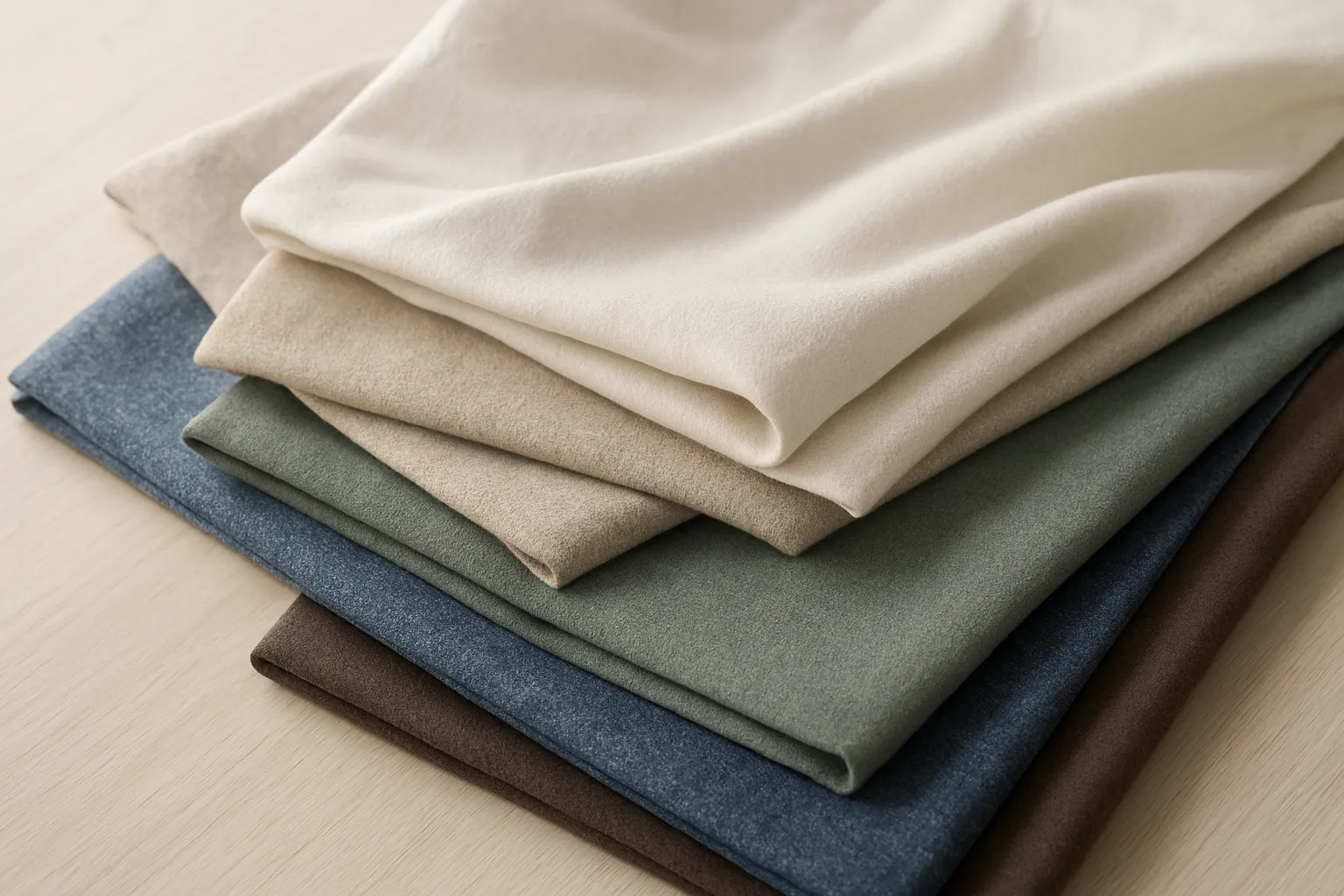
Explore key fabric options for women’s casual fashion, tailored for wholesale clothing suppliers. In recent years, women’s casual fashion has undergone a remarkable transformation, blending comfort with style and versatility. Today’s casual wear extends far beyond simple tees and jeans. It now includes a diverse array of clothing options tailored to meet varied lifestyles and preferences. As a wholesale clothing supplier, grasping the latest trends in women’s fashion is vital to fulfilling market demands. At the heart of this evolution lies the choice of fabric, which significantly impacts comfort, durability, and the overall appeal of garments. This guide delves into various fabric options that can elevate your offerings in the women’s casual fashion sector.
Key Fabric Options for Women’s Casual Clothing
When it comes to women’s casual clothing, the fabric choice can truly define a garment. Here are some of the most favored fabric options that wholesale clothing suppliers should keep in mind:
Cotton: Versatility and Comfort
Cotton stands out as one of the most widely utilized fabrics in casual fashion. Renowned for its softness and breathability, it offers unmatched comfort, making it perfect for daily wear. Its versatility is another key advantage; cotton comes in various weights and weaves, accommodating styles from lightweight summer dresses to cozy sweatshirts. In my experience, cotton’s adaptability makes it a staple in any casual wardrobe. For more insights on cotton and its applications, check this industry reference.
Linen: Breathability and Style
Another fantastic option for casual wear is linen, especially in warmer climates. Its natural fibers offer exceptional breathability, making linen a favorite for summer collections. Garments made of linen often boast a relaxed, chic aesthetic, appealing to fashion-conscious consumers. However, its propensity to wrinkle can be a drawback for some. Offering blends or pre-washed options can significantly enhance its appeal.
Polyester: Durability and Affordability
Polyester, a synthetic fabric, has surged in popularity due to its durability and cost-effectiveness. It resists wrinkles and shrinking, making it a practical choice for those with busy lifestyles. Additionally, polyester blends can enhance comfort and breathability, establishing it as a versatile option for casual wear.
Fabric Specifications and Characteristics
Understanding fabric specifications is crucial for making informed decisions about clothing production.
Weight and Texture Considerations
The weight of fabric influences the drape and fit of the garment. Lighter fabrics are ideal for summer wear, while heavier options are preferred during cooler seasons. Texture also matters; soft, smooth fabrics tend to be more appealing for everyday use.
Color Retention and Washability
Color retention is vital for preserving a garment’s appearance over time. Fabrics that hold dye well and are easy to wash will attract more customers. For instance, polyester is celebrated for its excellent colorfastness, making it a reliable choice for vibrant casual wear.
Stretch and Fit Properties
The stretchability of a fabric can significantly impact how a garment fits. Fabrics blended with spandex or elastane allow for greater mobility and comfort, which is particularly important in casual styles. Understanding the fit preferences of your target demographic can guide effective fabric selection.
Use Cases for Different Fabrics
Different fabrics serve distinct purposes in casual fashion, and understanding these use cases can help suppliers tailor their offerings.
Seasonal Considerations
In summer, lightweight and breathable fabrics like cotton and linen are preferred, while heavier fabrics such as jersey and fleece are more suitable for winter collections. Offering a seasonal range can attract a broader customer base.
Target Demographics and Preferences
Different demographics showcase various fabric preferences. For instance, younger consumers might gravitate towards trendy polyester blends, while older customers may prioritize the comfort of cotton and linen. Understanding your target market is key to effective fabric selection.
Style Versatility in Casual Wear
The versatility of a fabric can dictate how a garment is styled. Fabrics like cotton and polyester can seamlessly transition from day to night, allowing for a range of casual styles that cater to various occasions.
Sourcing Fabrics for Wholesale Clothing
Finding the right fabric suppliers is fundamental for wholesale clothing suppliers.
Finding Reliable Suppliers
Building relationships with dependable fabric suppliers is essential. Attend trade shows, join industry networks, and make use of online platforms to connect with reputable manufacturers who can provide high-quality materials.
Evaluating Fabric Quality
Quality assurance should be a priority when sourcing fabrics. Request samples to evaluate the texture, weight, and overall quality before making bulk purchases. This step is crucial to ensure that the final product meets customer expectations.
Cost-Effectiveness in Bulk Purchasing
Wholesale suppliers should always consider the cost-effectiveness of fabric purchases. Negotiating prices and understanding the minimum order quantities can help manage expenses while ensuring a steady supply of materials.
Implementation Strategies for Fabric Selection
Once the right fabrics are sourced, implementing effective strategies is key to aligning them with your business goals.
Aligning Fabrics with Brand Identity
The choice of fabric should reflect your brand identity. If your brand emphasizes sustainability, consider incorporating organic cotton or recycled polyester. Aligning fabric choices with your brand values can enhance customer loyalty.
Integrating Trends into Product Lines
Stay informed about fashion trends and incorporate them into your product lines. For example, if oversized styles are trending, ensure you have the right fabrics that can accommodate those designs while maintaining comfort.
Testing and Feedback Loops
Before launching a new collection, conduct testing with target demographics to gather feedback on fabric preferences and garment fit. This approach can help refine your offerings and ensure they resonate with your audience.
Frequently Asked Questions
What are the best fabrics for summer wear? Lightweight and breathable fabrics such as cotton and linen are ideal for summer wear due to their comfort and airflow.
How do I choose fabrics for different body types? Consider fabrics with stretch for curvier body types and structured fabrics for more fitted styles. Understanding your target demographic’s body types can guide your fabric choices.
What are sustainable fabric options available? Sustainable options include organic cotton, Tencel, and recycled polyester. These fabrics not only appeal to eco-conscious consumers but also align with growing market trends towards sustainability.
Conclusion
As a wholesale clothing supplier, understanding the various fabric options available for women’s casual fashion is essential for creating appealing, high-quality products. By considering the characteristics of different fabrics, their use cases, and effective sourcing strategies, you can enhance your offerings and meet consumer demands. Embracing versatility in fabric selection will not only improve your product lines but also help establish your brand as a leader in the competitive women’s clothing market.